

UAE schools reopen as over 1.27 million students begin a new academic journey
President urges young people to embrace knowledge, ambition and future skills
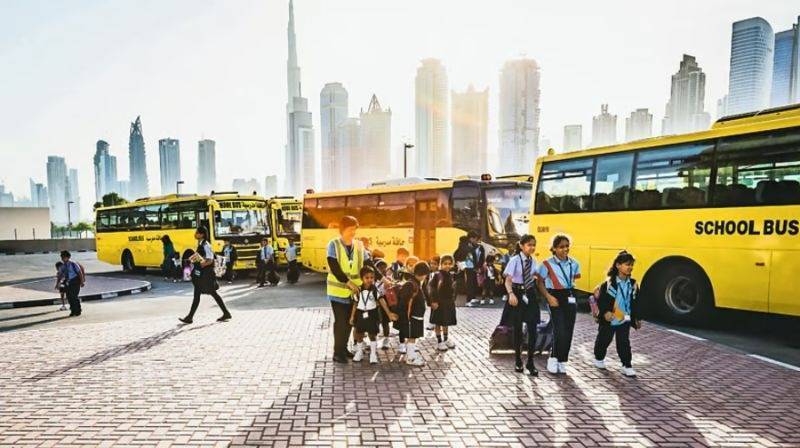
DUBAI – More than 1.27 million students across the UAE returned to classrooms on Monday as schools reopened for the 2026-27 academic year.
More than 1,180 schools welcomed pupils following the summer break, with families adjusting to earlier mornings, school runs and renewed academic routines. The first day also marked the introduction of several changes across the education sector, including new approaches to homework, digital-device use, assessments and teaching.
President His Highness Sheikh Mohamed bin Zayed Al Nahyan extended his wishes for a successful year to students, teachers, parents and school administrators as the new academic year got under way.
In a message posted on X, Sheikh Mohamed congratulated the education community and encouraged students to approach the year with optimism, ambition and determination. He described the UAE's children as the nation's "true wealth" and urged them to make the most of opportunities to gain knowledge and develop life skills.
With the start of the new academic year, I extend my congratulations to students, teachers, administrators, and parents, and wish them a successful year that continues to support our nation’s educational journey. Our children are our true wealth, and I encourage them to embark on…
— محمد بن زايد (@MohamedBinZayed) August 31, 2026
He also called for continued cooperation between families and schools to nurture a passion for lifelong learning and equip students with skills needed for the future. Alongside academic development, he stressed the importance of strengthening young people's sense of identity and values.
Major changes
The new academic year introduces several education reforms across UAE schools. Pupils from kindergarten to Grade 2 in schools under the Ministry of Education will no longer receive traditional homework, with families instead encouraged to support daily reading at home.
The Ministry said the approach is intended to strengthen early literacy and learning while allowing younger children to develop their skills without the pressure of routine assignments.
Digital-device use is also being regulated more closely. The Ministry is expanding its programme covering the use of digital tools to all Grade 6 students in public schools, following a study involving 2,500 pupils across nine public schools.
Grade 6 students in public schools will use pen and paper rather than digital tools for Arabic, English, mathematics and science under the new approach. The pilot found improvements in academic performance and classroom focus when digital use was more limited.
Arabic-language assessment is also being expanded to all Grade 1 pupils in public and Ministry-licensed private schools. The programme is designed to identify language skills at an early stage and help schools provide targeted support during the first years of education.
Project-based learning is another area being expanded nationwide. The initiative will reach more than 129,000 students across 366 schools, with a new integrated Grade 7 project bringing together Arabic, English, mathematics and science.
The Ministry said the approach is designed to help pupils connect different subjects, apply classroom knowledge to practical tasks and develop skills relevant to future study and employment.
Schools prepare
The scale of this year's return has required extensive preparation across the education system. The Ministry has opened 11 new schools and educational complexes, deployed 5,810 school buses and distributed around eight million textbooks ahead of the new academic year.
More than 26,700 new students have also joined the public education system for the first time.
The return is being phased over four reduced-hour days from Monday, August 31, to Thursday, September 3. Schools can determine which year groups attend on particular days, while principals have flexibility to rearrange the sequence or extend the phased period depending on readiness.
The regular timetable for all students is scheduled to resume on Friday, September 4. Many private schools are also operating their own staggered schedules to manage the return to campus.
The first morning brought a mix of excitement and nervousness across schools, particularly among younger pupils and those entering new year groups. Schools organised activities to help children settle into classrooms, reconnect with classmates and become familiar with new teachers.
Some campuses used music, movement and interactive activities to create a lively start, while others introduced special welcomes for pupils returning after the summer break.
Safer return
Authorities have also stepped up preparations on roads and around school zones as thousands of families return to daily school runs.
The Ministry of Interior launched its annual Accident-Free Day campaign on August 31, urging motorists to slow down, avoid using mobile phones while driving and give way to pedestrians. Registered motorists who sign the safety pledge and record no traffic violations or accidents on the day can receive a reduction of four black points from their driving records.
Dubai's Roads and Transport Authority has completed traffic improvement works at six school-zone locations benefiting more than 10 schools. It has also launched a 30-day intensive inspection campaign covering school buses, including checks on safety standards, permits and operating procedures.
Bus services have been increased on more than 30 routes serving school areas, while taxi availability is also being boosted during peak periods.
Dubai Police has deployed 253 security and traffic patrols, 28 drones and 775 personnel as part of its back-to-school operations. In Sharjah, police have intensified school-bus inspections and introduced measures aimed at improving road safety around educational facilities.
Future skills
Teacher preparation has also been a major part of the new academic year. More than 24,000 school leaders, teachers and support staff took part in specialised training from August 24 to 28, covering areas including artificial intelligence, inclusive education and school safety.
Schools are also expanding their teaching workforce to meet growing demand. GEMS Education is welcoming 1,550 new teachers this academic year, taking its educator community beyond 10,000.
The National Education Charter is being incorporated into school life under this year's back-to-school campaign, themed "Guided by the Charter, Building Tomorrow".
The initiative aims to strengthen national identity, values and future competencies while encouraging closer cooperation between schools, families and the wider community.